
Every year on 24 September, South Africans celebrate Heritage Day. We need to guard against this becoming just another public holiday and rather see it as the opportunity it is for children to hear family stories, ask thoughtful questions, explore unfamiliar traditions and discover their place in South Africa’s shared story.
Heritage Day can help children understand that identity is made up of many things: the languages we speak, the names we carry, the food we enjoy, the songs we sing, the clothes we wear, and the stories passed down through generations. It can also teach children that different cultures can live side by side with respect, kindness and curiosity.
South Africa is often described as the “Rainbow Nation”, an image of many colours forming one whole while each remains distinct. When children learn about their own heritage and encounter the heritage of others with care, they can begin to see diversity not as a reason for distance, but as an opportunity for connection, learning and mutual respect.
Here are five meaningful ways families and caregivers can help children celebrate Heritage Day:
1. Tell Family Stories
One of the simplest ways to celebrate Heritage Day is to start a family conversation. Children can ask: What does my name mean? Where did our family live when you were young? Which traditions, songs or celebrations do you remember? Record the answers in a notebook, voice note or family tree so children can return to these stories and share them with future generations. If family history is unknown, children can begin with the people and memories available to them.
2. Share Traditional Stories
Stories are powerful bridges between generations. Choose folktales, legends and oral histories from specific South African communities, and share who the story comes from. Children can listen to the story, act it out, illustrate it or retell it in their own words while exploring the values, history and imagination it carries.
3. Dress in Traditional Clothing
Traditional clothing can open meaningful conversations when it is shared with understanding rather than treated as a costume. Children can wear clothing connected to their own family or community or bring a photograph or object to discuss. Encourage them to explain what it means, and when it is usually worn.
4. Get Creative with Crafts
Crafts make Heritage Day hands-on and memorable when children understand what they create. They can design posters about a family tradition, make bunting featuring South Africa’s languages, or explore the meaning of a bead pattern with guidance from a reliable source. The goal is not perfection, but thoughtful expression, learning and celebration.
5. Celebrate with Food and Shared Meals
Heritage Day is also often linked with Braai Day, reminding us that sharing a meal can create connection across different backgrounds. Adding Heritage Day tasting dishes representing different cultures can contribute towards strengthening this connectedness.
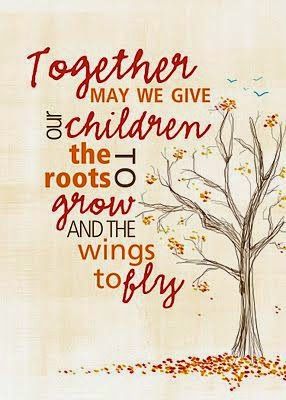
When children learn where they come from, they develop a stronger sense of identity and belonging. When they learn about others, they grow in empathy, respect and understanding. So make this Heritage Day memorable; share a family story, learn from someone else’s tradition and take pride in the unique contribution you and your family make to South Africa’s shared heritage.